Advanced Treatment for Weed Control Saint George
The Significance of Lawn Care: Essential Services for a Beautiful and Flourishing Lawn
Maintaining a lawn is essential for cultivating a vibrant landscape. Consistent mowing, fertilizing, and aerating are essential techniques that support the overall well-being of your lawn. Such practices not only promote healthy growth but also boost soil integrity and deepen root development. Additionally, recognizing the seasonal demands of your lawn can significantly influence its ability to withstand challenges. As the seasons change, so do the requirements for peak care. What targeted approaches can property owners adopt to ensure their lawns remain healthy across all seasons?
The Significance of Consistent Mowing for a Healthy Lawn
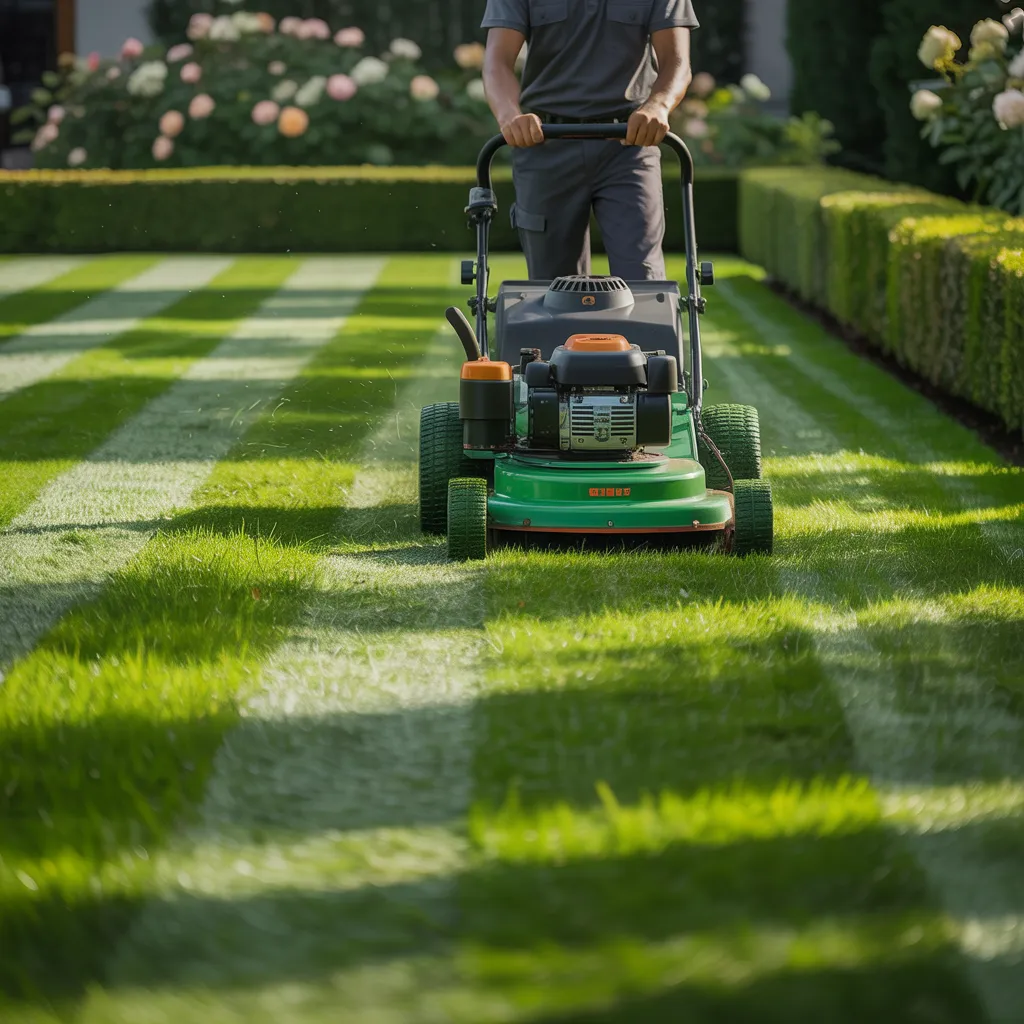
Regular mowing is crucial for maintaining a healthy lawn, as it supports balanced growth and keeps weeds from becoming established. By cutting grass at the appropriate height, homeowners can cultivate a more robust turf, which acts as a natural barrier against invasive plants. Regular mowing also aids in spreading nutrients more uniformly across the lawn, fostering a resilient root system.
Additionally, routine mowing stops the turf from growing excessively tall, which can lead to uneven growth and increased vulnerability to insects. This additionally reduces the probability of thatch development, a layer of organic material that can obstruct the absorption of water and nutrients.
Establishing a consistent mowing routine adapted to the type of grass and seasonal growing cycles greatly improves lawn health. In the end, regular mowing is not simply a task; it is a essential practice that significantly impacts the general health and aesthetics of a lawn.
How Lawn Fertilization Benefits Grass Health
Lawn fertilization plays a vital role in enhancing grass health by supplying key nutrients that encourage growth. It also promotes enhanced soil quality, building a healthier environment for root development. Moreover, regular fertilization can aid in reducing pests and weeds, further promoting a thriving lawn.
Nutrient Enhancement for Growth
A properly fertilized lawn can greatly enhance grass vitality and strength. Fertilization provides essential nutrients such as phosphorus, nitrogen, and potassium, which are crucial for strong development. These nutrients encourage strong root growth, increase resistance to drought, and boost the lawn's color vibrancy and fullness. Regular application of the right fertilizer guarantees that grass gets the essential nutrients it needs to flourish, particularly during peak growing seasons. Additionally, balanced fertilization can help prevent common lawn diseases and pest infestations by strengthening the grass's natural defenses. By investing in proper fertilization practices, homeowners can achieve a lush, green lawn that not only seems visually pleasing but also endures ecological challenges more successfully.
Soil Health Enhancement
Improving soil health is crucial for encouraging lush grass growth, and proper fertilization serves a key function in achieving this goal. Fertilizers supply important nutrients such as nitrogen, phosphorus, and potassium, which are essential for strong root growth and general grass wellness. A proper distribution of these nutrients encourages microbial activity in the soil, enhancing nutrient availability and promoting a thriving ecosystem. Routine fertilization assists in sustaining balanced soil pH levels, enabling grass to utilize necessary minerals with ease. Furthermore, a sound soil structure enhances water retention and drainage, lowering the likelihood of disease and stress affecting grass. By emphasizing soil health using appropriate fertilization practices, residents can grow a rich, hardy lawn that endures environmental obstacles.
Pest and Weed Management
Effective soil health management not only supports grass growth but also has a major impact on weed and pest control. When lawns are properly fertilized, the grass becomes denser and healthier, which limits the space and nutrients available for weed growth. Additionally, healthy grass is better equipped to outcompete pests for nutrients, thereby limiting the likelihood of infestations. Fertilizers enriched with essential nutrients fortify root development, making grass more resilient to environmental stressors and pest attacks. Furthermore, consistent fertilization fosters a balanced environment that encourages beneficial organisms, which naturally suppress harmful pests. By combining weed and pest control methods with fertilization, lawn maintenance experts can cultivate a flourishing lawn while limiting the use of chemical solutions, resulting in a greener and more resilient lawn.
Why Aeration Is Important for Your Lawn?
Aeration serves as an essential process for cultivating a thriving lawn. This technique involves perforating the soil with holes to allow air, water, and nutrients to penetrate deeper into the root zone. By alleviating soil compaction, aeration encourages grassroots to grow stronger and more efficiently. It strengthens the soil's capability to preserve moisture and supports a more vibrant lawn.
Moreover, aeration fosters enhanced drainage, minimizing the likelihood of waterlogging, which can lead to numerous lawn diseases. The infusion of oxygen enhances microbial activity, essential for degrading organic matter and unlocking nutrients. Frequent aeration yields a more resilient lawn capable of enduring environmental strains, such as heavy foot traffic or drought.
When all is said and done, incorporating aeration into an ongoing lawn care schedule is a beneficial practice that plays a major role to the general health, visual appeal, and longevity of the turf, promoting a rich and verdant outdoor space.
Effective Pest Control Strategies for Lawn Care
How can homeowners guarantee their lawns remain healthy and vibrant even when dealing with pest pressures? Strong pest control methods are vital for keeping a thriving outdoor space. First, regular inspections of the lawn can help identify pest infestations early, allowing for timely intervention. Homeowners should also consider implementing integrated pest management (IPM) practices, which combine biological, cultural, and chemical methods to control pests while minimizing environmental impact.
Utilizing advantageous insects, such as predatory insects and ladybugs, can significantly lower pest populations. Furthermore, sustaining a healthy lawn through regular watering, fertilization, and mowing can strengthen grass, making it harder for pests to damage. Homeowners may also apply organic pesticides as a safer alternative to traditional chemicals. As a final step, providing sufficient drainage and aeration can eliminate conditions that encourage pest growth. By employing these strategies, homeowners can efficiently safeguard their lawns and promote a thriving outdoor environment.
How Seasonal Changes Affect Lawn Maintenance
As the seasons change, the needs of lawn care adapt, requiring homeowners to adapt their care routines accordingly. As spring arrives, lawns begin to recover from dormancy, requiring essential tasks like aeration, fertilization, and overseeding to promote healthy growth. As temperatures rise in summer, proper hydration becomes essential; regular watering and mowing at appropriate heights aid in retaining moisture and minimizing stress on the lawn.
When fall begins, the focus shifts to winterizing the lawn. This includes applying a final fertilizer to strengthen roots and removing fallen leaves to keep mold and pests at bay. In addition, property owners should think about aerating the lawn again to boost soil vitality.
Ultimately, winter maintenance often involves reducing foot traffic across frozen turf and removing debris. Each time of year introduces its own challenges and advantages, underscoring the value of a personalized approach to maintaining your lawn year-round. Adapting to these seasonal changes guarantees a thriving and resilient lawn.
Environmentally Conscious Practices for Lawn Care
Green approaches serve a fundamental purpose in maintaining lawn health while minimizing environmental impact. Practices like chemical-free fertilization, water-efficient irrigation, and planting native species support a vibrant and balanced ecosystem. When homeowners embrace these techniques, they can nurture a thriving lawn that enhances biodiversity and protects valuable resources.
Natural Fertilization Techniques
A range of organic fertilization techniques can significantly improve lawn health while supporting environmental sustainability. Compost, derived from decomposed organic matter, enriches soil with important nutrients and optimizes its texture. In addition, using fish emulsion provides a quick nutrient boost, supporting robust grass growth. The use of bone meal represents another valuable approach, which provides phosphorus for strong root development. Introducing green manures, such as clover, can also boost nutritional content and reduce erosion risks. Furthermore, utilizing natural mulch not only maintains moisture levels but also gradually releases nutrients as it decomposes. By implementing these organic practices, homeowners can maintain a lush lawn that supports local ecosystems while minimizing the environmental impact linked to synthetic fertilizers.
Water Saving Methods
Adopting practical water conservation techniques is vital for keeping a thriving lawn while reducing resource waste. One of the best techniques involves building a strong root system through occasional, thorough watering. This helps grass build natural resistance to dry conditions. Utilizing mulch can also retain soil moisture and suppress weeds, reducing the need for additional watering. Furthermore, installing a rainwater collection system allows homeowners to utilize natural rainfall for irrigation. Advanced irrigation systems designed to adapt to weather fluctuations can help maximize water conservation. Also, planning irrigation sessions during the early morning can greatly decrease evaporation. By embracing these methods, maintaining a lawn can become both eco-friendly and budget-conscious, supporting vibrant growth without wasting water.
Native Plant Curation
As many homeowners strive for beautiful lawns, the use of native plants presents an eco-friendly method for maintaining lawn health. Native plants are adapted to local climates and soils, needing significantly less water and care than go now exotic species. This decreases dependence on fertilizers and pesticides, fostering a thriving ecosystem. Additionally, these plants provide essential habitats for local wildlife, including pollinators like bees and butterflies. Through the integration of native species, homeowners can develop a flourishing landscape that requires little maintenance. Incorporating native plants not only improves visual appeal but also promotes biodiversity, leading to a more robust environment. In the end, selecting native plants supports eco-friendly lawn care practices, cultivating a thriving and environmentally conscious outdoor area.

The Long-Term Benefits of Professional Lawn Care Services
Choosing expert lawn maintenance solutions not only elevates the overall look of a property but also delivers substantial enduring rewards. Consistent upkeep by professionals guarantees a more vibrant lawn, decreasing the chances of pests and diseases. These professionals apply tailored treatments that promote robust growth, boosting the quality of the soil and the health of the surrounding ecosystem.
In addition, consistent lawn care can contribute to a boost in property value. A carefully maintained landscape stands as an appealing asset, appealing to potential buyers and boosting curb appeal. In addition, professional lawn care services often include seasonal planning, which synchronizes lawn upkeep with weather patterns and local climate conditions, supporting optimal growth throughout the year.
Over time, this proactive approach minimizes the need for costly repairs and replacements, consistently allowing homeowners to reduce expenses. By committing to expert lawn care, property owners not only take pleasure in a rich, vibrant lawn but also invest in the long-term health and resilience of their outdoor spaces.
Frequently Asked Questions
How Often Should I Water My Lawn?
A grass lawn generally requires irrigation twice a week, delivering about an inch of water each watering session. This routine promotes ideal moisture retention, supporting strong growth while preventing disease and fostering deep root growth.
What Types of Grass Are Best for My Region?
The ideal grass species for a specific region are determined by climate and soil conditions. Cool-season grasses flourish in cooler northern climates, while warm-climate species suit warmer southern regions, ensuring ideal growth and health throughout the year.
How Can I Determine if My Lawn Needs to Be Aerated?
Common signs that a lawn could benefit from aeration include poor drainage, compacted soil, and thin grass coverage. Furthermore, if the lawn exhibits stress symptoms during drought periods or heavy foot traffic affects its overall look, aeration may prove advantageous.
Is It Safe for Pets After Applying Fertilizers?
After applying fertilizers, it is typically suggested to prevent pets from accessing the lawn for a period of 24 to 48 hours. This precaution guarantees their safety, as chemicals may cause irritation or adverse reactions if they are ingested or come into contact with skin.
What Equipment Is Required for Basic Lawn Care?
Basic lawn maintenance requires a few essential tools: a reliable lawnmower, a rake, a garden shovel, trimming shears, a hose or sprinkler, and a lawn spreader for applying fertilizer. These implements enable proper lawn maintenance and care.